How to Start a Broiler Farm?
Leading paragraph: Starting a broiler farm1 can be profitable, but many beginners fail due to lack of planning. Avoid costly mistakes by following these key steps.
Snippet paragraph: To start a broiler farm1, first secure funding, choose a suitable location, design proper housing, select healthy chicks2, and plan feeding and disease management3. Proper ventilation4 and biosecurity5 are critical for success.
<sup id=](https://agcimeint.com/wp-content/uploads/2025/08/1.png) 1 setup" title="Broiler Farm Design" />
1 setup" title="Broiler Farm Design" />
Transition paragraph: Many people jump into poultry farming without proper knowledge. Let’s break down each step carefully so you avoid common pitfalls.
How Much Does It Cost to Start a Broiler Farm?
Leading paragraph: Setting up a broiler farm1 requires significant investment. Underestimating costs can lead to financial trouble.
Snippet paragraph: A small-scale broiler farm1 with 500 birds may cost $5,000-$10,000, while a large farm with 10,000 birds can exceed $100,000. Key expenses include land, housing6, equipment, chicks, feed, and labor.
<sup id=](https://agcimeint.com/wp-content/uploads/2025/08/23.png) 1 cost breakdown" title="Broiler Farm Budget" />
1 cost breakdown" title="Broiler Farm Budget" />
Dive deeper paragraph: Costs vary based on location, scale, and technology used. Here’s a breakdown of major expenses:
Land & Infrastructure
- Land: $2,000-$20,000 (depends on size and location)
- Housing: $3,000-$50,000 (prefabricated vs. traditional construction)
- Ventilation & Heating: $1,000-$10,000
Equipment & Chicks
- Feeders & Drinkers: $500-$5,000
- Brooding Equipment: $300-$3,000
- Day-Old Chicks (DOC): $1-$2 per chick
Operational Costs
- Feed: 60-70% of total expenses ($20-$30 per bird per cycle)
- Labor: $500-$3,000/month
- Vaccines & Medication: $0.50-$1 per bird
Additional costs like permits, electricity, and backup generators should also be considered. Starting small reduces risk while you learn.
What Is the Best Location for a Broiler Farm?
Leading paragraph: Choosing the wrong location can lead to high mortality rates7 and losses. A good site ensures healthy growth and profitability.
Snippet paragraph: The best broiler farm1 location has good accessibility, clean water, low disease risk, and distance from residential areas. Avoid flood zones, industrial areas, and high-wind regions.
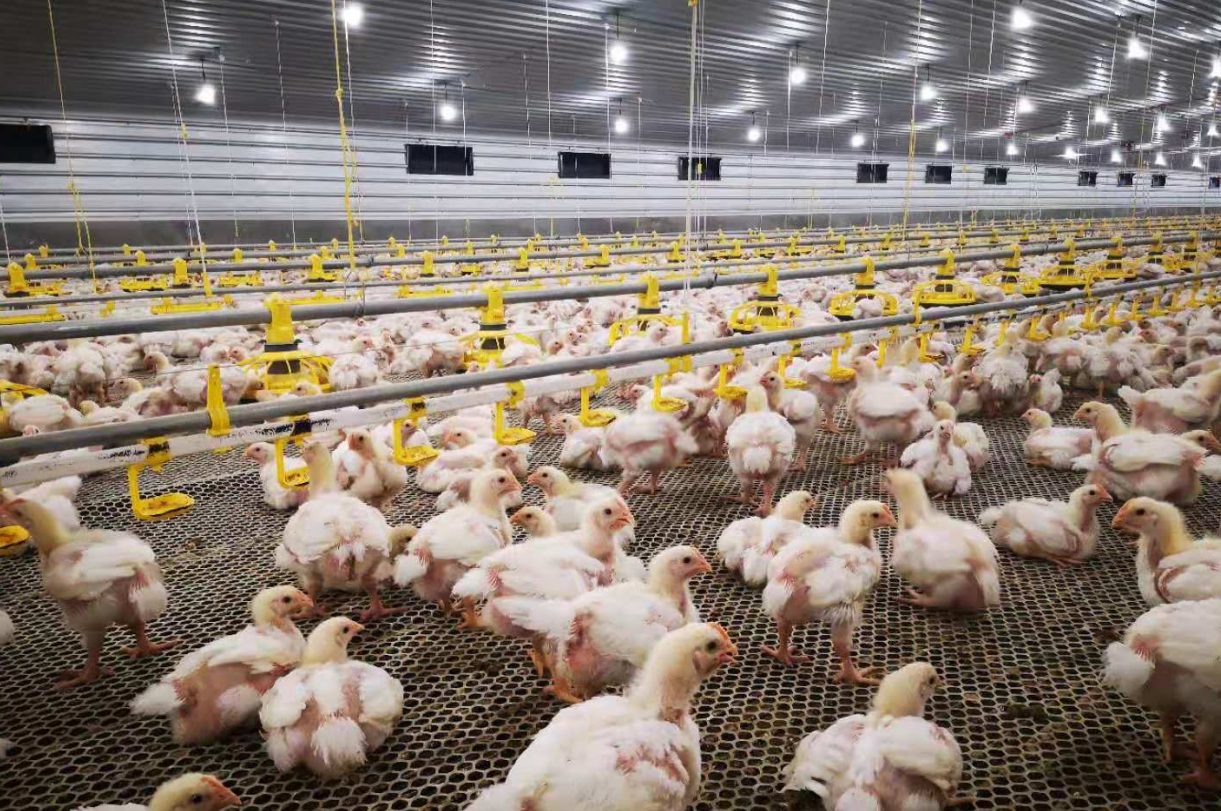
Dive deeper paragraph: Key factors when selecting a broiler farm1 site:
Environmental Conditions
- Climate: Moderate temperatures (avoid extreme heat/cold)
- Drainage: Avoid waterlogged or flood-prone land
- Wind Direction: Proper airflow to reduce ammonia buildup
Biosecurity & Accessibility
- Proximity to Other Farms: At least 1 km away to prevent disease spread
- Road Access: For easy transport of feed and birds
- Water Supply: Clean, reliable water (7-10 liters per bird daily)
Legal & Zoning Requirements
- Zoning Laws: Confirm poultry farming is allowed
- Distance from Homes: At least 500m to avoid complaints
- Waste Disposal Plan: Required in most regions
Poor location leads to higher costs and lower productivity. Always inspect potential sites thoroughly.
How to Design an Efficient Broiler House?
Leading paragraph: A poorly designed poultry house increases mortality rates7 and lowers profits. Smart design improves bird health and productivity.
Snippet paragraph: An efficient broiler house has proper ventilation4, temperature control, adequate space (0.08-0.12 sqm per bird), easy-to-clean floors, and biosecurity5 measures. Automated systems reduce labor costs.
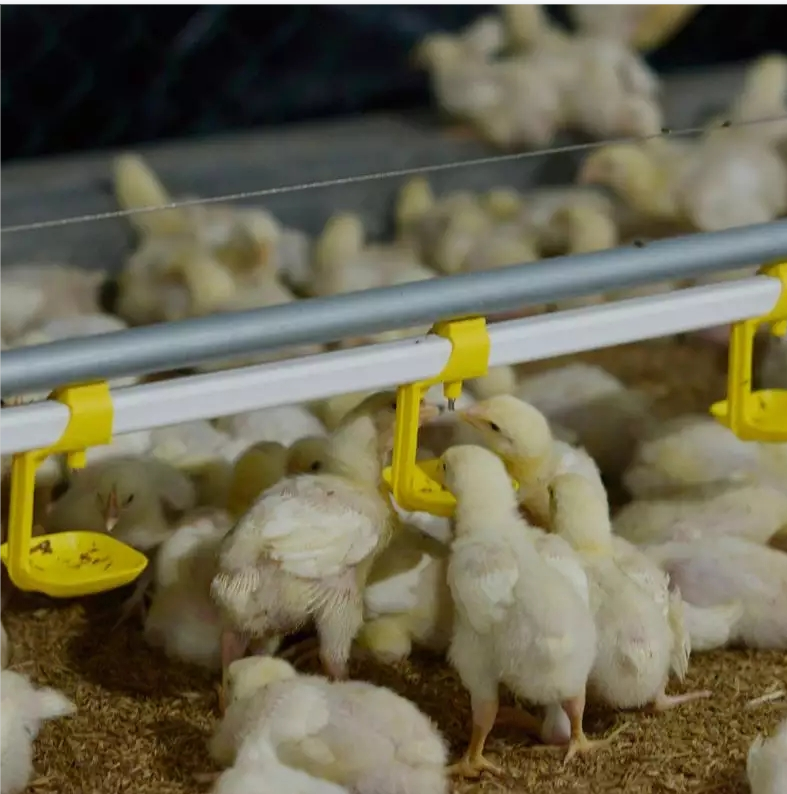
Dive deeper paragraph:
Key Design Features
Floor Space & Layout
- Stocking Density: 10-12 birds per sqm (varies by climate)
- Floor Type: Concrete (durable) or deep litter (natural insulation)
- Pitched Roof: Prevents heat buildup
Ventilation & Temperature
- Natural Ventilation: Windows + ridge vents
- Mechanical Ventilation: Fans for hot climates
- Heating: Gas or electric brooders for chicks
Automation Systems
- Feeding: Automatic chain feeders
- Watering: Nipple drinkers reduce spillage
- Lighting: LED lights on timers for growth
Biosecurity Measures
- Disinfection Pit: Foot-dip at entrance
- Rodent Control: Sealed walls, bait stations
- Waste Management: Composting or removal system
Investing in good design reduces mortality and increases efficiency.
What Are the Biggest Challenges in Broiler Farming?
Leading paragraph: Many broiler farm1ers quit after their first cycle due to unexpected challenges. Understanding these risks helps in planning better.
Snippet paragraph: The biggest challenges in broiler farming81ing">https://www.formsonfire.com/blog/broiler-production-guidelines)1ing include disease outbreaks, high feed costs, market price fluctuations9, poor ventilation4, and labor shortages. Proper management reduces these risks.
<sup id=](https://agcimeint.com/wp-content/uploads/2025/08/5.png) 1ing challenges" title="Broiler Farm Problems" />
1ing challenges" title="Broiler Farm Problems" />
Dive deeper paragraph:
Common Problems & Solutions
Disease & Mortality
- Preventive Measures: Vaccination, biosecurity5, clean water
- Common Diseases: Newcastle, Gumboro, Coccidiosis
- Signs of Illness: Lethargy, drop in feed intake
Feed Costs & Quality
- Feed Formula: Balanced proteins (20-22% starter, 18-20% finisher)
- Alternatives: Local corn, soybean substitutes
- Storage: Protect from pests and moisture
Market Risks
- Contract Farming: Fixes prices in advance
- Diversification: Selling processed meat increases profits
- Government Policies: Follow regulations to avoid fines
Poor management leads to losses. Learning from experienced farmers helps avoid pitfalls.
Conclusion
Starting a broiler farm1 requires planning, investment, and good management. Follow these steps to build a profitable and sustainable business.
Explore this link to learn essential practices that can lead to a successful broiler farming venture. ↩
Find out the criteria for choosing healthy chicks to ensure a successful broiler farming operation. ↩
Explore strategies that can help maintain the health and productivity of your broiler flock. ↩
Discover effective ventilation solutions that can improve the health and growth of your chickens. ↩
Understand the importance of biosecurity and how to implement effective measures on your farm. ↩
Learn about optimal housing designs that enhance chicken welfare and farm productivity. ↩
Learn effective techniques to minimize mortality rates and enhance the success of your broiler farm. ↩
Gain insights into common challenges and how to overcome them in your broiler farming journey. ↩
Explore strategies to mitigate risks associated with market price changes in the poultry industry. ↩
发表回复